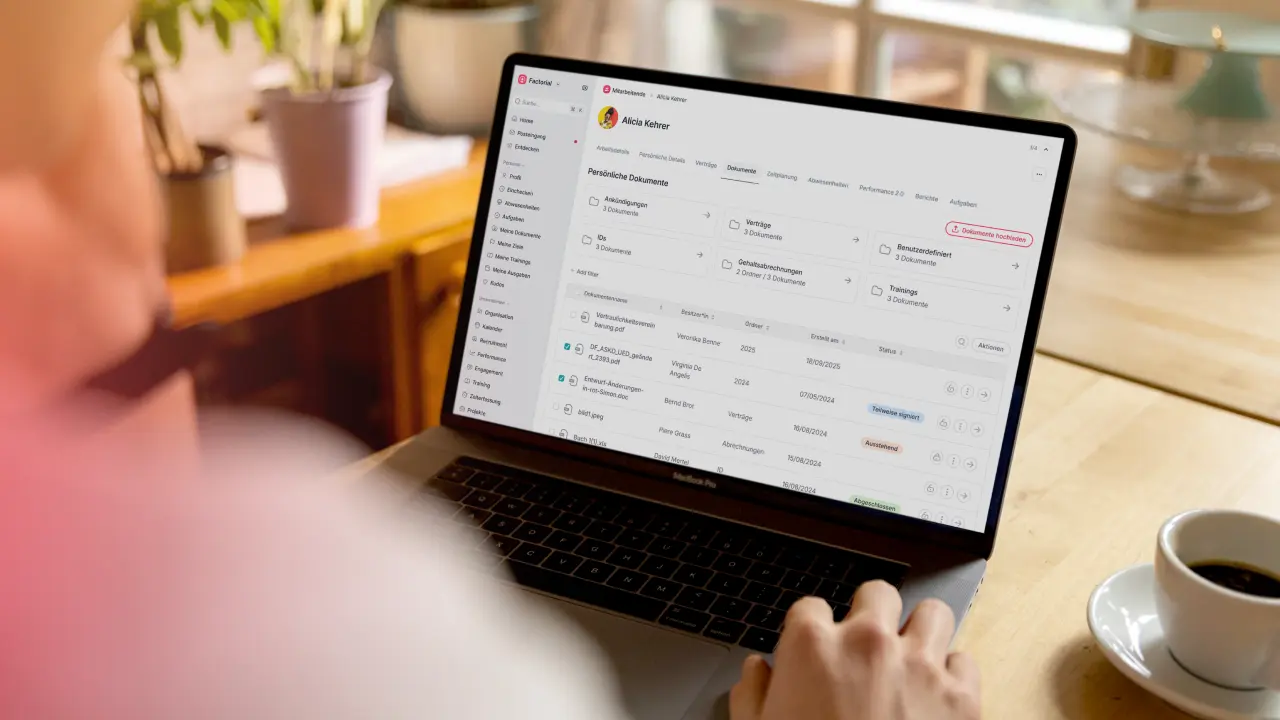
In 2026, many businesses are rethinking how they run payroll. Paper-based payroll systems are slow, hard to manage, and often disconnected from the rest of HR. As companies grow, these problems become more noticeable and more expensive to fix. Payroll relies on accurate employee information. Hours worked, time off, pay changes, and job details all affect how employees are paid. When this information is spread across spreadsheets, paper files, or separate tools, mistakes happen. HR teams spend extra time checking data and fixing errors. A paperless payroll system brings payroll and HR together in one place. Employee data updates automatically, and payroll pulls from the same records HR already uses. This makes payroll more accurate and easier to manage. Employees also benefit from faster access to pay stubs and important documents.
Switching to a paperless payroll system now helps businesses prepare for the future. It creates a clear, organized process that can support more employees without adding more manual work. In 2026, connected payroll and HR systems are becoming the standard for efficient and reliable payroll management.
Key Features of a Paperless Payroll System
A paperless payroll system replaces manual tasks with digital tools that work together. While features vary by platform, most systems include the following:
- Automated payroll processing: Wages, taxes, and deductions are calculated automatically using employee and time data.
- Digital pay stubs and records: Pay stubs, tax forms, and payroll reports are stored online instead of on paper.
- Employee self-service access: Employees can view pay history, download documents, and update personal information on their own.
- HR and payroll integration: Payroll connects with employee records, time tracking, and PTO to keep data accurate.
- Secure data storage: Payroll information is protected with encryption, permissions, and backups.
These features help businesses run payroll more efficiently while keeping employee information organized and secure.
Why Should You Switch to a Paperless Payroll System in 2026?
Switching to a paperless payroll system in 2026 helps businesses work more efficiently and avoid common payroll problems. The main reason to make the change is simple. Payroll works best when it is connected to your HR system.
When payroll is handled on paper or through disconnected tools, employee information often needs to be entered more than once. HR teams track hours, time off, and job changes in one place, then re-enter that data for payroll. This creates extra work and increases the chance of errors.
A paperless payroll system pulls information directly from your HR records. When an employee changes roles, receives a raise, or takes approved time off, payroll updates automatically. This keeps payroll accurate without added steps.
Cost savings are another important reason to switch. Manual payroll takes time, and time costs money. Automating payroll reduces the hours spent on calculations, corrections, and document handling. Over time, these savings grow, especially as your workforce expands.
Security also improves with a paperless approach. Paper payroll records can be misplaced or accessed by the wrong people. Digital payroll systems use secure logins, access controls, and encrypted storage to protect sensitive employee data.
Finally, paperless payroll makes recordkeeping easier. Payroll documents are stored in one central location and can be searched quickly. This helps with audits, reporting, and compliance with labor and tax regulations.
In 2026, switching to a paperless payroll system is less about removing paper and more about building a connected, reliable payroll process that supports your entire HR operation.
Benefits of Using a Paperless Payroll System
A paperless payroll system offers clear advantages for both HR teams and employees. When payroll is digital and connected to HR, everyday tasks become simpler, faster, and more reliable. Businesses that switch to paperless payroll in 2026 can save time, reduce errors, and make better use of their HR resources. Here are some of the key paperless payroll benefits:
Employee self-service access
Paperless payroll systems give employees direct access to their pay information through a secure online portal. Employees can view and download pay stubs, access tax forms, and check their payment history whenever they need. This reduces routine questions for HR teams and gives employees faster answers to common payroll questions. Self-service also empowers employees to manage their own information, such as updating personal details or viewing benefits, without waiting for HR support.
Scales with your business
As your company grows, payroll can become more complex and time-consuming. A paperless payroll system makes it easier to manage growth because new employees, pay groups, or locations can be added without disrupting existing processes. Since payroll pulls directly from your HR data, expanding your team does not mean more manual work. This scalability ensures your payroll stays accurate and efficient even as your business gets bigger.
Real-time reporting and insights
Digital payroll systems provide up-to-date reports on payroll costs, overtime, and taxes. When payroll is integrated with HR, all data comes from a single source, making reports more accurate. Managers and business leaders can use these reports to monitor labor costs, track employee hours, and plan budgets more effectively. Real-time insights also make it easier to spot trends, forecast expenses, and make informed decisions quickly.
Fewer payroll errors
Manual data entry is one of the main causes of payroll mistakes. A paperless payroll system reduces this risk by using shared employee records, time tracking, and PTO information automatically. Fewer errors mean fewer corrections, less stress for HR, and more trust from employees that they will be paid accurately and on time. It also helps companies stay compliant with labor laws, avoiding costly penalties or audits.
Time and cost savings
By automating payroll and reducing paperwork, businesses save time for HR teams and cut costs on printing, storage, and supplies. This allows HR to focus on higher-value tasks, like employee development and strategy, while ensuring payroll is processed efficiently.
Security and compliance
Paperless payroll systems store sensitive employee information digitally, with encryption and secure access controls. This protects personal and financial data from unauthorized access. Integration with HR also ensures payroll follows labor laws and tax regulations, helping businesses avoid mistakes and maintain compliance.
Best Paperless Payroll System in 2026
Choosing the right paperless payroll system is an important step toward modernizing your HR and payroll processes. Below is an overview of some of the top payroll platforms in 2026, including what each does best, key features, pros and cons, and pricing.
1. Factorial
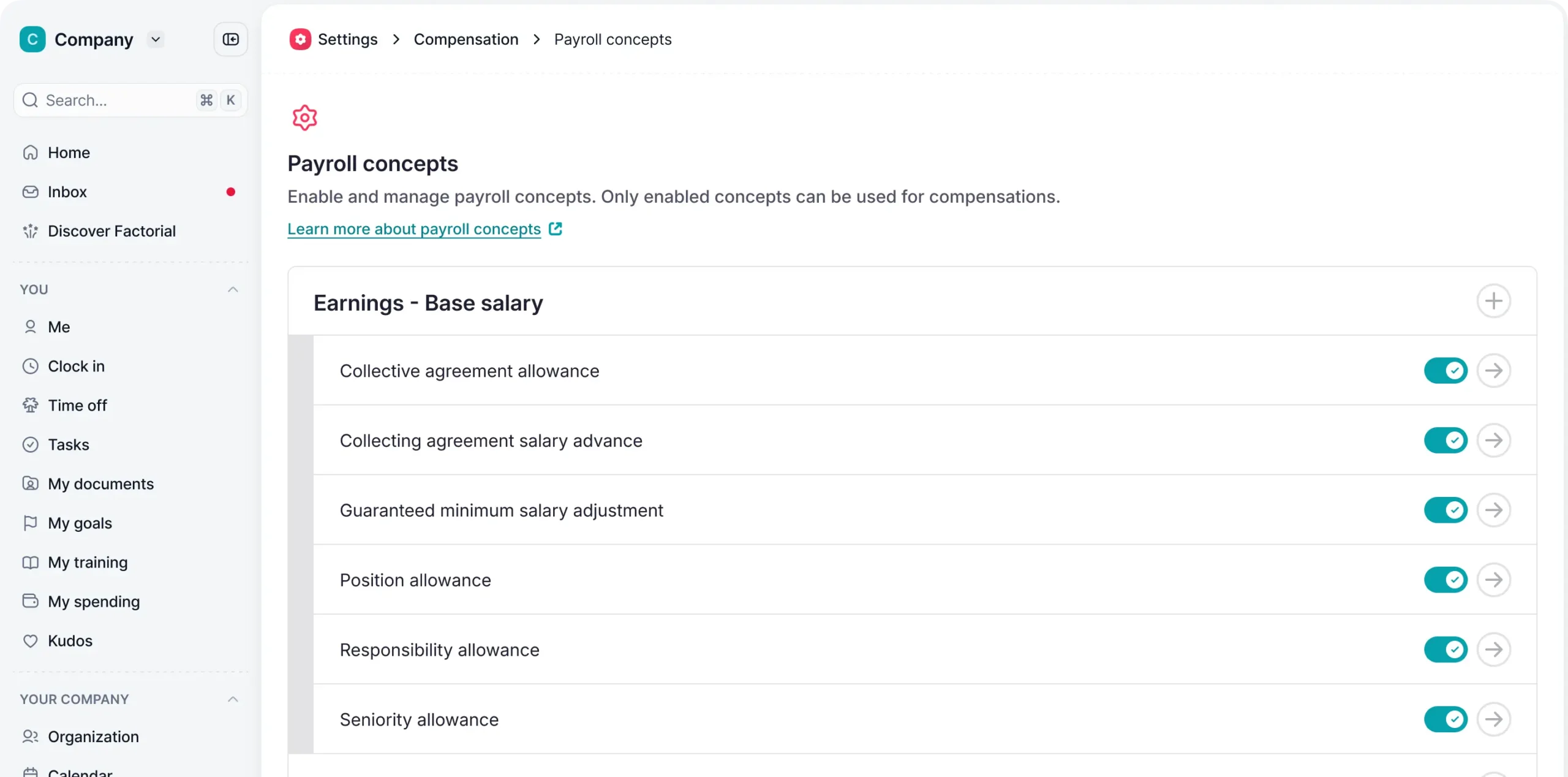
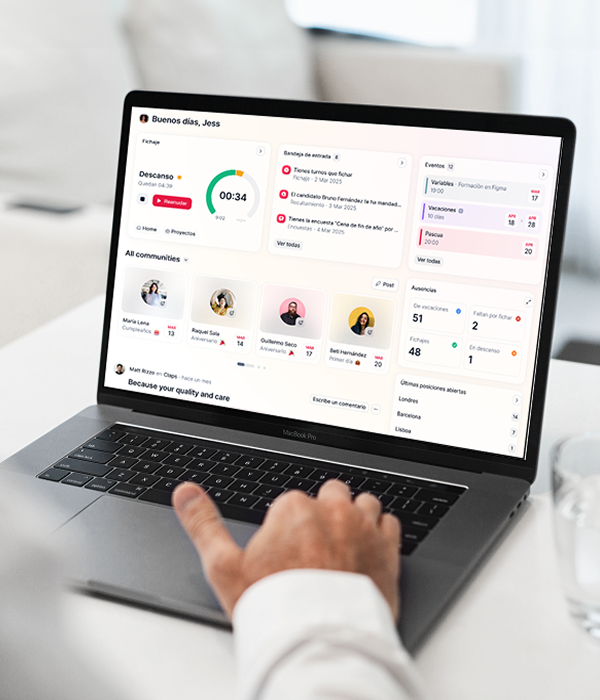
Overview: Factorial is an all-in-one HR platform built for small and mid-sized businesses. Unlike systems that handle payroll separately, Factorial connects payroll directly with HR functions such as employee records, time tracking, and paid time off. Payroll integration ensures that calculations are always accurate and reflect up-to-date employee information. Factorial is particularly useful for businesses looking to reduce manual entry, avoid payroll mistakes, and have all HR data in one place. The platform also offers tools for reporting that help managers stay on top of labor costs and compliance.
Key Features
- Full HR and payroll integration
- Automated payroll calculations
- Digital pay stubs and records
- Self-service employee access
- Reporting and compliance tools
Pros
- Payroll and HR data live in one place
- Easy to use for HR teams and employees
- Strong automation and fewer manual steps
Cons
- Some advanced payroll features may be limited for very large enterprises
Price: Starts around $8 per employee per month. Pricing varies based on company size and add-ons.
2. ADP
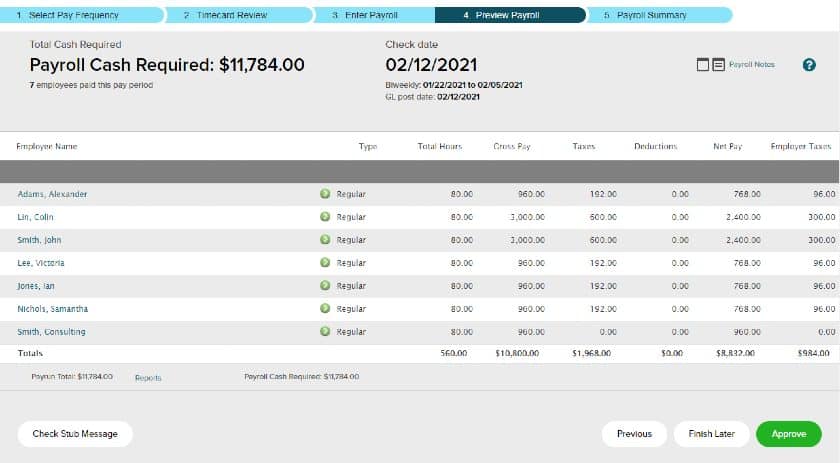
Overview: ADP is one of the most recognized payroll and HR platforms globally. It offers a wide range of tools that work for businesses of all sizes, from small teams to large corporations. ADP can handle complex payroll scenarios, including multi-state tax filings, benefits deductions, and compliance reporting. The platform also includes mobile access and integration options with other HR and time systems. ADP is best for companies that need a reliable, powerful system with strong compliance support and advanced payroll capabilities.
Key Features
- Fully automated payroll processing
- Tax filing and compliance support
- Mobile access for employees
- Integration options with HR and time systems
Pros
- Very flexible and powerful
- Strong compliance support
- Trusted brand with long track record
Cons
- Pricing is quote based and can be expensive for small businesses
- Interface may be more complex than simpler tools
Price: Quote based pricing that varies by features and company size.
3. Paycor
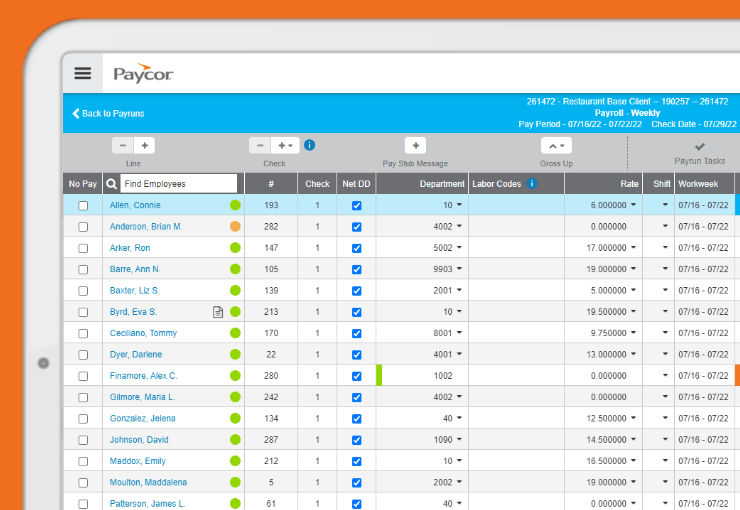
Overview: Paycor focuses on payroll, HR, and talent management for growing businesses. Its platform combines payroll automation with tools for time tracking, attendance, and reporting. Paycor is known for being user-friendly while still offering robust features for compliance and HR management. The system is a good option for small and mid-sized businesses that need payroll integrated with HR but want something easy to manage without extensive IT support.
Key Features
- Payroll automation
- Time and attendance tracking
- Employee self-service
- Reporting and analytics
Pros
- Good balance of features and usability
- Solid customer support
- Works well for small and mid-sized businesses
Cons
- May cost more than basic tools for smaller teams
Price: Around $99 per month plus $6 per employee per month.
4. QuickBooks Payroll
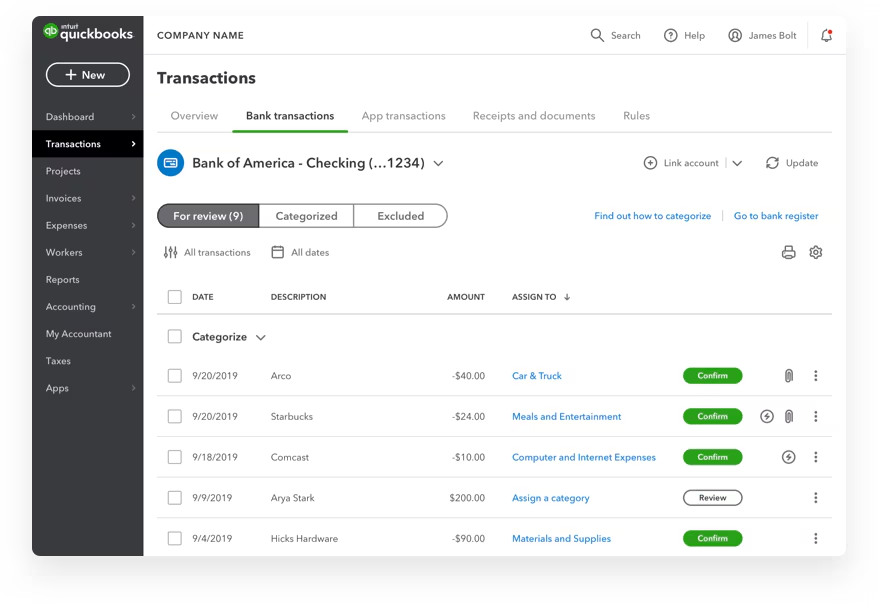
Overview: QuickBooks Payroll is ideal for companies already using QuickBooks for accounting. By connecting payroll to the same system businesses already use, setup and integration are simple. QuickBooks Payroll automates tax filings, provides digital pay stubs, and includes a mobile app for employees. It is especially useful for small businesses that want to manage accounting and payroll in one system without learning a completely new platform.
Key Features
- Integrated with QuickBooks accounting
- Automated payroll tax filing
- Employee self-service access
- Mobile app
Pros
- Easy setup for current QuickBooks users
- Strong tax support and automation
Cons
- Best suited for companies already using QuickBooks
- Payroll features feel more basic compared to full HR platforms
Price: Pricing varies by plan and feature level.
5. Sage
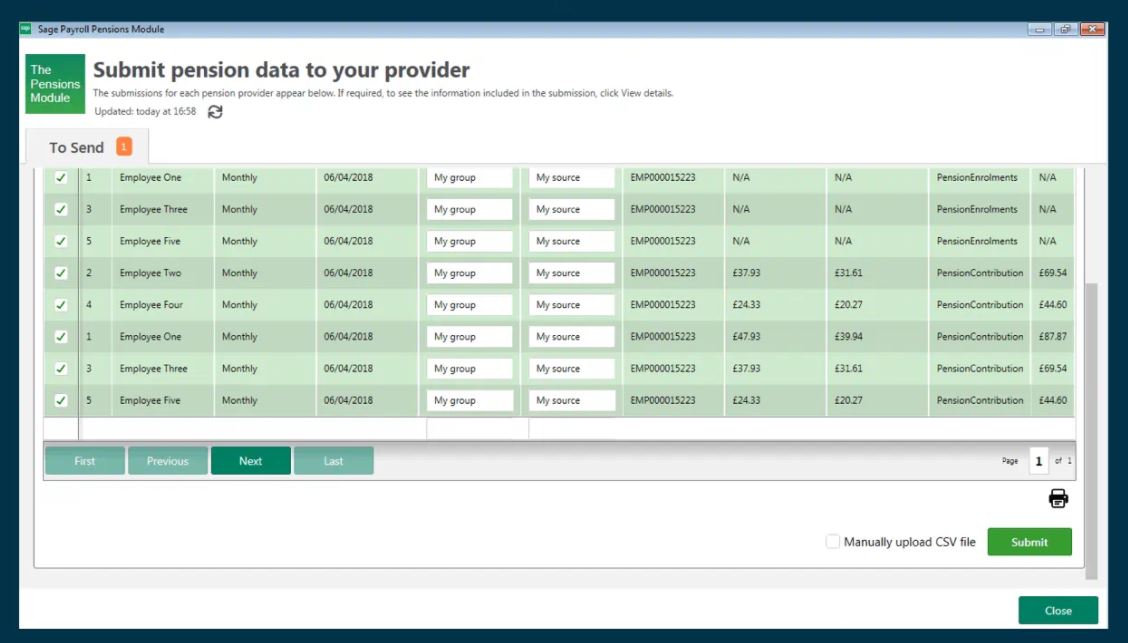
Overview: Sage offers payroll and HR solutions focused on accuracy, reporting, and compliance. It is a good choice for businesses that need reliable payroll calculations and detailed reporting. Sage works well for companies of all sizes and includes features for employee self-service, tax processing, and integration with HR systems. It is best for organizations that value thorough reporting and precise payroll management.
Key Features
- Automated payroll and tax processing
- Employee self-service access
- Integration with HR systems
- Analytics and reporting
Pros
- Reliable and accurate payroll processing
- Strong reporting tools
Cons
- Interface may feel less modern than newer tools
- Pricing and plans can be confusing for small businesses
Price: Varies by region and plan.
Paperless Payroll System Comparison Chart
Before choosing a paperless payroll system, it helps to compare your options at a glance. The table below shows five top platforms, highlighting what they are best for, a key feature, and their pricing.
| Platform | Best For | One Key Highlight | Price |
|---|---|---|---|
| Factorial | Small and mid-sized businesses | Full HR and payroll integration | Starts at $8 per employee/month |
| ADP | Businesses of all sizes | Strong compliance and automation | Quote-based pricing |
| Paycor | Growing small and mid-sized businesses | Easy-to-use payroll with HR integration | $99/month + $6 per employee/month |
| QuickBooks Payroll | Companies already using QuickBooks | Seamless integration with accounting | Varies by plan |
| Sage | Businesses needing strong reporting | Accurate payroll and tax processing | Varies by region and plan |
Each payroll system has its own strengths. The right choice depends on your business needs, priorities, and budget.
How Factorial Can Help you go Paperless in 2026
Factorial helps businesses run payroll and HR all in one system. This reduces mistakes, saves time, and makes managing employees easier. Payroll works directly with employee records, time tracking, and paid time off, so all information is up to date.
Key ways Factorial helps your business go paperless:
- Automated payroll calculations: Factorial calculates wages, taxes, benefits, and deductions automatically using HR data.
- Custom payroll rules: You can set different rules for pay schedules or employee groups to match your business needs.
- Organized payroll and compensation: Salaries, bonuses, and deductions are clearly tracked to keep calculations accurate.
- Digital payslips and secure storage: Employees get their pay stubs online, and all payroll documents are stored safely.
- Check and correct payroll easily: You can review payroll before it is processed to catch errors.
- Integrated with time and attendance: Payroll updates automatically when employees’ hours or approved time off change.
- Work with your accountant: Payroll details can be shared with bookkeepers in real time, making coordination easier.
- Extra tools: Factorial also handles extra payments, overtime, and payroll reports, so everything stays organized.
By keeping payroll and HR together in one platform, Factorial helps businesses work faster, avoid mistakes, and grow without extra complexity. It makes payroll simple, secure, and fully connected to HR.
Switching to a paperless payroll system makes your HR and payroll processes faster, more accurate, and easier to manage. Factorial brings everything together in one platform, helping your business save time, reduce errors, and stay organized.
Ready to see how Factorial can simplify payroll for your company? Book a demo today and experience the benefits for yourself.
Paperless Payroll System FAQ
1. What is a paperless payroll?
A paperless payroll system is a digital way to manage employee pay. It calculates wages, taxes, and deductions automatically, stores payroll records online, and delivers pay stubs electronically. This reduces manual work, mistakes, and the need for paper documents.
2. What is the best payroll system to use?
The best payroll system depends on your business size, needs, and budget. Factorial is ideal for small and mid-sized businesses that want HR and payroll integrated. ADP works well for larger companies with complex compliance needs. Paycor, QuickBooks Payroll, and Sage each have strengths depending on what features you need.
3. How do I go paperless with Factorial?
Going paperless with Factorial is simple. Set up your employee records, payroll policies, and compensation structures in the system. Factorial calculates payroll automatically, updates with employee hours and approved time off, and delivers digital payslips. You can also collaborate with your bookkeeper directly through the platform, keeping everything in one place.
Disclaimer:
The information presented on this page is based on publicly available sources. The comparisons between Factorial and other providers are intended solely for the illustration of the respective software features, pricing and functionalities. All information regarding features, prices, and integrations may be subject to change without prior notice. Factorial assumes no liability for the accuracy, completeness, or timeliness of the information presented. We recommend contacting the respective providers directly to obtain the most accurate and up-to-date information. All legal regulations regarding Spanish fair advertising and competition law are fully observed by us; if you have any concerns, please reach out to us. The comparisons presented do not constitute a final evaluation or recommendation for any provider, but serve solely as an informational source.