Finding the best paperless payroll system is a priority for businesses that want accurate, connected, and efficient payroll. Paper-based processes are slow, error-prone, and disconnected from HR — and those problems grow more expensive as headcount increases. A paperless payroll system brings payroll and HR together in one place, so employee data updates automatically, and payroll pulls from the same records HR already uses. Employees gain faster access to pay stubs and documents, while HR teams spend less time correcting manual errors.
Table of Contents
- Key Facts: Best Paperless Payroll System (TL;DR)
- Key Features of a Paperless Payroll System
- Why Should You Switch to a Paperless Payroll System?
- What Are the Benefits of Using a Paperless Payroll System?
- Which Is the Best Paperless Payroll System for Your Business?
- Paperless Payroll System Comparison Chart
- How Does Factorial Help Your Business Go Paperless?
- Paperless Payroll System FAQ
Key Facts: Best Paperless Payroll System (TL;DR)
- Editor’s choice: Factorial is the best paperless payroll system for small and mid-sized businesses — it integrates payroll directly with HR, time tracking, and PTO in a single platform, starting at around $8 per employee per month.
- Market size: The U.S. payroll services market is valued at $8.91 billion in 2026 and is forecast to reach $11.61 billion by 2031, reflecting a 5.47% CAGR as businesses accelerate their shift to digital payroll.
- Compliance risk: The IRS requires employers to retain all employment tax records for at least four years after filing— a requirement that digital payroll systems satisfy automatically through centralized, searchable storage, per the IRS Employment Tax Recordkeeping guidance.
- Efficiency gain: 85% of employers who use HR automation report that it saves time and increases efficiency — a direct benefit of switching from manual to paperless payroll.
Switching to a paperless payroll system now helps businesses prepare for the future. It creates a clear, organized process that can support more employees without adding more manual work. In 2026, connected payroll and HR systems are becoming the standard for efficient and reliable payroll management.
Key Features of a Paperless Payroll System
A paperless payroll system replaces manual tasks with digital tools that work together. While features vary by platform, most systems include the following:
- Automated payroll processing: Wages, taxes, and deductions are calculated automatically using employee and time data. Many leading online payroll services offer this benefit.
- Digital pay stubs and records: Pay stubs, tax forms, and payroll reports are stored online instead of on paper.
- Employee self-service access: Employees can view pay history, download documents, and update personal information through an employee self-service portal.
- HR and payroll integration: Payroll connects with employee records, time tracking, and PTO to keep data accurate.
- Secure data storage: Payroll information is protected with encryption, permissions, and backups.
These features help businesses run payroll more efficiently while keeping employee information organized and secure.

Why Should You Switch to a Paperless Payroll System?
Switching to a paperless payroll system in 2026 helps businesses work more efficiently and avoid common payroll problems. The main reason to make the change is simple. Payroll works best when it is connected to your HR system.
When payroll is handled on paper or through disconnected tools, employee information often needs to be entered more than once. HR teams track hours, time off, and job changes in one place, then re-enter that data for payroll. This creates extra work and increases the chance of errors.
A paperless payroll system pulls information directly from your HR records. When an employee changes roles, receives a raise, or takes approved time off, payroll updates automatically. This keeps payroll accurate without added steps.
The scale of this shift is significant. The U.S. payroll services market is valued at $8.91 billion in 2026 and is projected to reach $11.61 billion by 2031, driven by businesses of all sizes moving away from manual processes toward integrated digital platforms. Small businesses alone account for 47.15% of that market share, with demand growing at a 10.95% CAGR through 2031 as capacity limitations push more companies toward automated solutions.
Cost savings are another important reason to switch. Manual payroll takes time, and time costs money. Automating payroll reduces the hours spent on calculations, corrections, and document handling. Over time, these savings grow, especially as your workforce expands.
Security also improves with a paperless approach. Paper payroll records can be misplaced or accessed by the wrong people. Digital payroll systems use secure logins, access controls, and encrypted storage to protect sensitive employee data.
Finally, paperless payroll makes recordkeeping easier. Payroll documents are stored in one central location and can be searched quickly. This helps with audits, reporting, and compliance with labor and tax regulations.
From a compliance standpoint, the IRS requires employers to keep all employment tax records for at least four years after the due date of the tax or the date it was paid, whichever is later — and certain records related to qualified sick and family leave wages must be retained for at least six years. According to the IRS, a paperless payroll system stores these records automatically in a searchable, centralized location, making it far easier to meet these obligations without manual filing.
In 2026, switching to a paperless payroll system is less about removing paper and more about building a connected, reliable payroll process that supports your entire HR operation.
What Are the Benefits of Using a Paperless Payroll System?
A paperless payroll system offers clear advantages for both HR teams and employees. When payroll is digital and connected to HR, everyday tasks become simpler, faster, and more reliable. Businesses that switch to paperless payroll in 2026 can save time, reduce errors, and make better use of their HR resources. Here are some of the key paperless payroll benefits:
Employee self-service access
Paperless payroll systems give employees direct access to their pay information through a secure online portal. Employees can view and download pay stubs, access tax forms, and check their payment history whenever they need. This reduces routine questions for HR teams and gives employees faster answers to common payroll questions. Self-service also allows employees to manage their own information, such as updating personal details or viewing benefits, without waiting for HR support. An employee self-service portal is an essential resource for convenience and independence.
Scales with your business
As your company grows, payroll can become more complex and time-consuming. A paperless payroll system makes it easier to manage growth because new employees, pay groups, or locations can be added without disrupting existing processes. Since payroll pulls directly from your HR data, expanding your team does not mean more manual work. This scalability ensures your payroll stays accurate and efficient even as your business gets bigger.
Real-time reporting and insights
Digital payroll systems provide up-to-date reports on payroll costs, overtime, and taxes. When payroll is integrated with HR, all data comes from a single source, making reports more accurate. Managers and business leaders can use these reports to monitor labor costs, track employee hours, and plan budgets more effectively. Real-time insights also make it easier to spot trends, forecast expenses, and make informed decisions quickly.
Fewer payroll errors
Manual data entry is one of the main causes of payroll mistakes. A paperless payroll system reduces this risk by using shared employee records, time tracking, and PTO information automatically. Fewer errors mean fewer corrections, less stress for HR, and more trust from employees that they will be paid accurately and on time. It also helps companies stay compliant with labor laws, avoiding costly penalties or audits.
The data reinforces this point: 85% of employers using HR automation report that it saves time and increases efficiency. Separately, industry research shows that over one in five payroll teams (22%) previously spent more than 30 hours per week manually reconciling payroll and HR data. This is a burden that integrated, paperless systems are designed to eliminate.
Time and cost savings
By automating payroll and reducing paperwork, businesses save time for HR teams and cut costs on printing, storage, and supplies. Payroll automation allows HR to focus on higher-value tasks, such as employee development and strategy, while ensuring payroll is processed efficiently.
Security and compliance
Paperless payroll systems store sensitive employee information digitally, with encryption and secure access controls. This protects personal and financial data from unauthorized access. Integration with HR also ensures payroll follows labor laws and tax regulations, supporting businesses in payroll tax filing, helping them avoid mistakes, and maintaining compliance.
Which Is the Best Paperless Payroll System for Your Business?
Choosing the right digital payroll solutions is an important step toward modernizing your HR and payroll processes. Below is an overview of some of the top payroll platforms in 2026, including what each does best, key features, pros and cons, and pricing.
1. Factorial
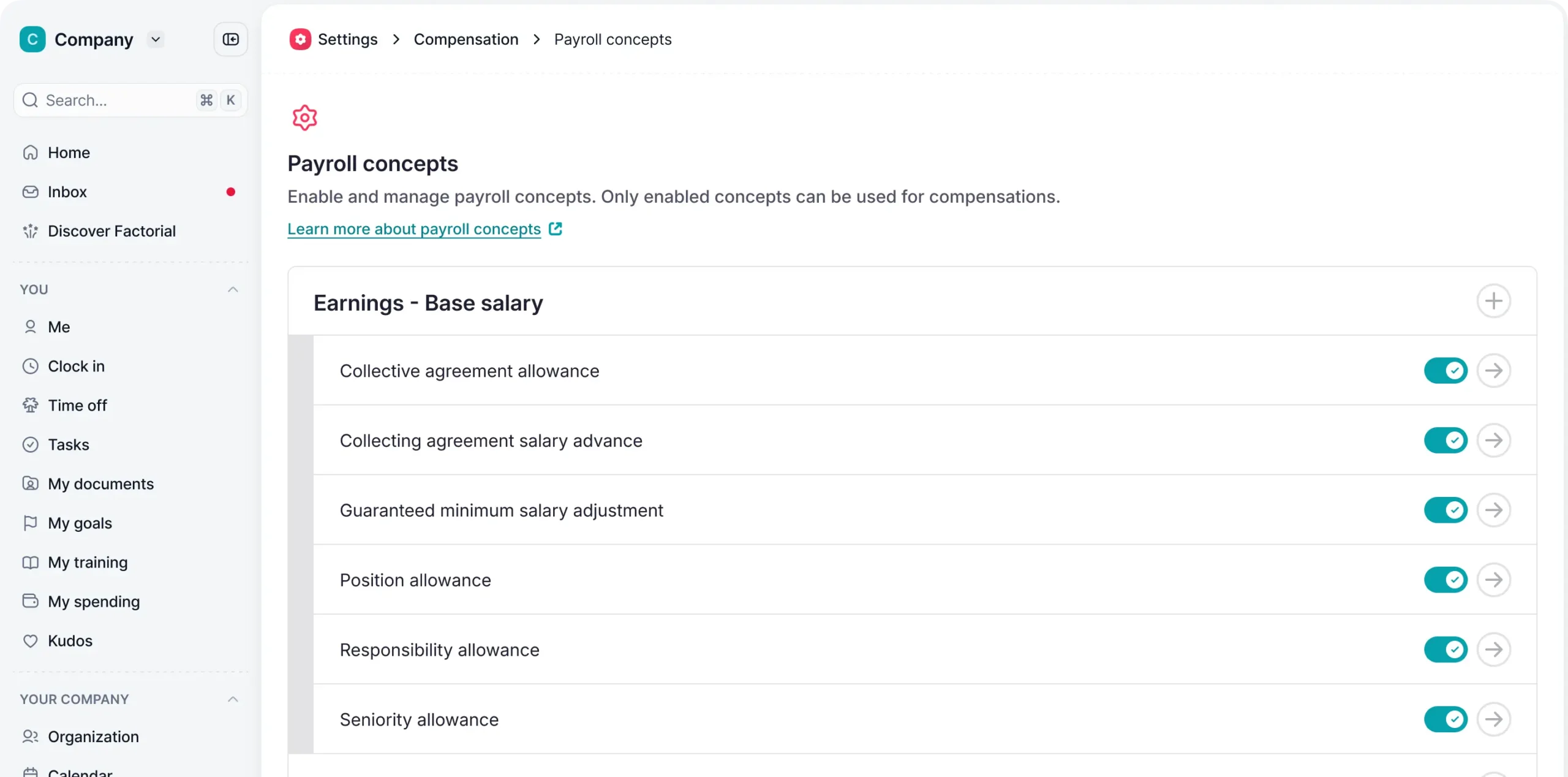
Overview: Factorial is the most complete solution for small and mid-sized businesses looking to reduce manual entry, avoid payroll mistakes, and consolidate all HR data in one place — making it our editor’s choice for the best paperless payroll system. Unlike systems that handle payroll separately, Factorial connects payroll directly with HR functions such as employee records, time tracking, and paid time off. Payroll integration ensures that calculations are always accurate and reflect up-to-date employee information. The platform also offers tools for reporting that help managers stay on top of labor costs and compliance.
Key Features
- Full HR and payroll integration
- Automated payroll calculations
- Digital pay stubs and records
- Self-service employee access
- Reporting and compliance tools
Pros
- Payroll and HR data live in one place
- Easy to use for HR teams and employees
- Strong automation and fewer manual steps
Cons
- Some advanced payroll features may be limited for very large enterprises
Price: Starts at approximately $8 per employee per month, with pricing varying based on company size and selected modules. Visit Factorial’s pricing page for current plan details.
2. ADP
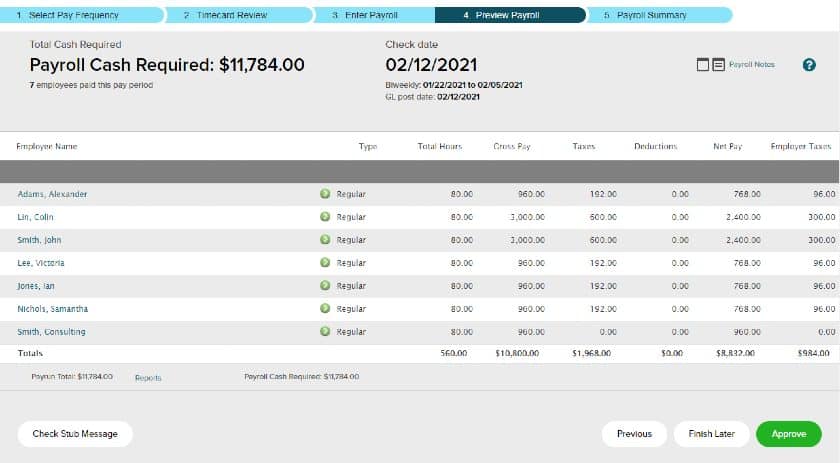
Overview: ADP is one of the most recognized payroll and HR platforms globally. It offers a wide range of tools that work for businesses of all sizes, from small teams to large corporations. ADP can handle complex payroll scenarios, including multi-state tax filings, benefits deductions, and compliance reporting. The platform also includes mobile access and integration options with other HR and time systems. ADP suits companies that need a well-established system with strong compliance support and advanced payroll capabilities, particularly for multi-state tax filings and larger workforces.
Key Features
- Fully automated payroll processing
- Tax filing and compliance support
- Mobile access for employees
- Integration options with HR and time systems
Pros
- Very flexible and powerful
- Strong compliance support
- Trusted brand with long track record
Cons
- Pricing is quote-based and can be expensive for small businesses
- Interface may be more complex than simpler tools
Price: Quote-based pricing that varies by features and company size.
3. Paycor
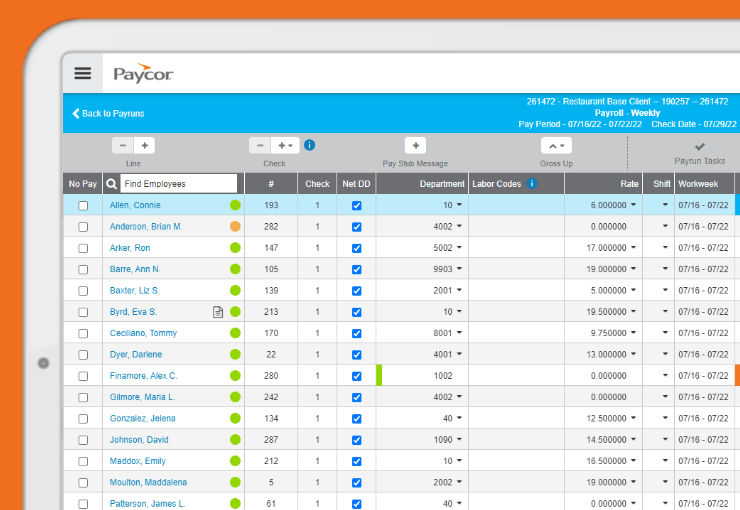
Overview: Paycor focuses on payroll, HR, and talent management for growing businesses. Its platform combines payroll automation with tools for time tracking, attendance, and reporting. Paycor is known for being user-friendly while still offering robust features for compliance and HR management. The system is a suitable option for small and mid-sized businesses that need payroll integrated with HR but want something manageable without extensive IT support. Note that Paycor’s sweet spot is companies with 50–350 employees, where its talent management and compliance tools deliver the most value.
Key Features
- Payroll automation
- Time and attendance tracking
- Employee self-service
- Reporting and analytics
Pros
- Good balance of features and usability
- Solid customer support
- Works well for small and mid-sized businesses
Cons
- May cost more than basic tools for smaller teams
Price: Pricing is quote-based. Paycor no longer publishes rates publicly. Third-party analyst estimates place the entry-level plan at approximately $99–$129/month base fee plus $4–$6 per employee per month for small businesses (under 50 employees), scaling to $19–$27 per employee per month for mid-market companies. Contact Paycor directly at paycor.com/plans-pricing for a current quote.
4. QuickBooks Payroll
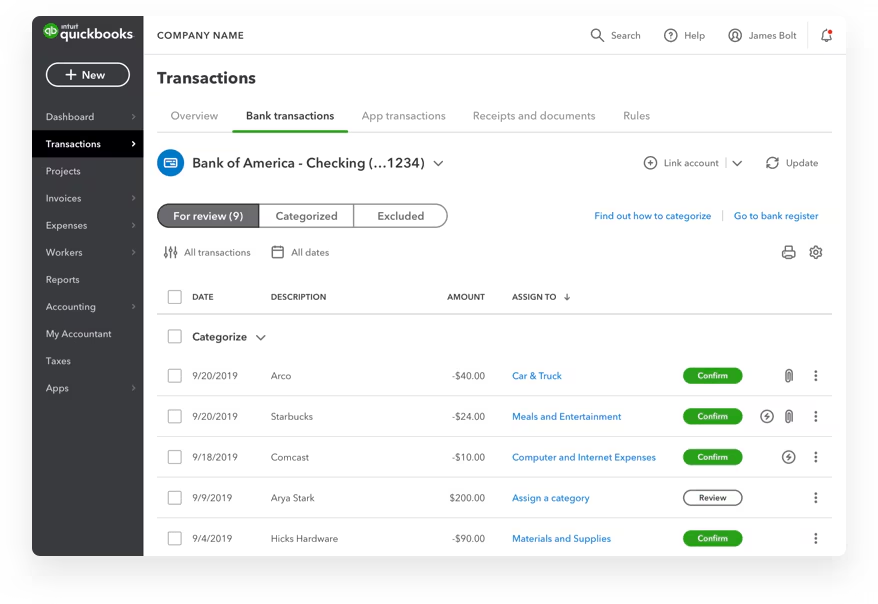
Overview: QuickBooks Payroll is ideal for companies already using QuickBooks for accounting. By connecting payroll to the same system businesses already use, setup and integration are simple. QuickBooks Payroll automates payroll tax filing, provides digital pay stubs, and includes a mobile app for employees. It is especially useful for small businesses that want to manage accounting and payroll in one system without learning a completely new platform.
Key Features
- Integrated with QuickBooks accounting
- Automated payroll tax filing
- Employee self-service access
- Mobile app
Pros
- Easy setup for current QuickBooks users
- Strong tax support and automation
Cons
- Best suited for companies already using QuickBooks
- Payroll features feel more basic compared to full HR platforms
Price: QuickBooks Online Payroll offers three tiers — Core, Premium, and Elite — starting at $50/month plus $6.50 per employee per month for the Core plan. Higher tiers add same-day direct deposit, HR support, and tax penalty protection. See current pricing at quickbooks.intuit.com/payroll/pricing.
5. Sage
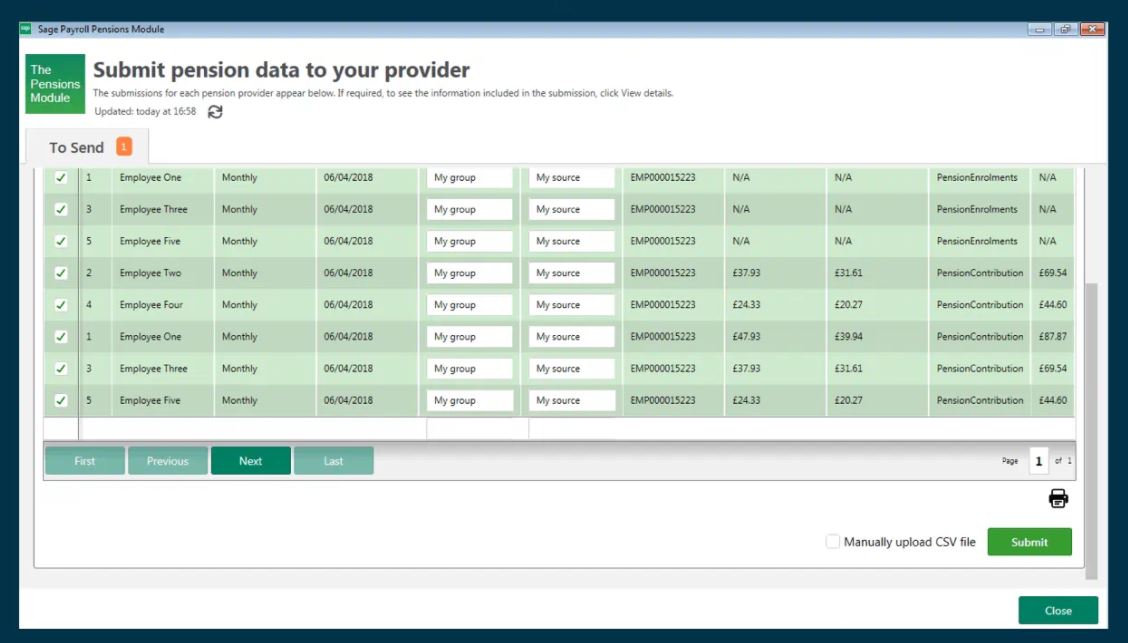
Overview: Sage offers payroll and HR solutions focused on accuracy, reporting, and compliance. It is a good choice for businesses that need reliable payroll calculations and detailed reporting. Sage works well for companies of all sizes and includes features for employee self-service, tax processing, and integration with HR systems. It is best for organizations that value thorough reporting and precise payroll management.
Key Features
- Automated payroll and tax processing
- Employee self-service access
- Integration with HR systems
- Analytics and reporting
Pros
- Reliable and accurate payroll processing
- Strong reporting tools
Cons
- Interface may feel less modern than newer tools
- Pricing and plans can be confusing for small businesses
Price: Pricing varies by region, plan, and company size. Contact Sage directly or visit for a current quote, as Sage does not publish a universal price list for its HR and payroll products.
Paperless Payroll System Comparison Chart
Before choosing a paperless payroll system, it helps to compare your options at a glance. The table below shows five top platforms, highlighting what they are best for, a key feature, and their pricing.
| Platform | Best For | One Key Highlight | Price |
|---|---|---|---|
| Factorial | Small and mid-sized businesses | Full HR and payroll integration | Starts at $8 per employee/month |
| ADP | Businesses of all sizes | Strong compliance and automation | Quote-based pricing |
| Paycor | Growing small and mid-sized businesses | Easy-to-use payroll with HR integration | Quote-based; est. $99–$129/month + $4–$6/employee (small biz) |
| QuickBooks Payroll | Companies already using QuickBooks | Smooth integration with accounting | From $50/month + $6.50/employee (Core plan) |
| Sage | Businesses needing strong reporting | Accurate payroll and tax processing | Varies by region and plan |
What Should You Look for When Choosing a Paperless Payroll System?
Not every platform fits every business. When evaluating your options, prioritize these criteria:
- HR integration: Does payroll connect directly with employee records, time tracking, and PTO, or does data need to be re-entered manually?
- Compliance support: Does the system handle multi-state tax filings, automated W-2 delivery, and IRS recordkeeping requirements automatically?
- Employee self-service: Can employees access pay stubs, tax forms, and personal details without contacting HR?
- Scalability: Will the platform handle growth without requiring a platform change or significant manual reconfiguration?
- Pricing transparency: Is pricing clearly stated, or does it require a sales call? Consider base fees, per-employee charges, and implementation costs.
For most small and mid-sized businesses, Factorial offers the most complete combination of these criteria in a single, integrated platform.
Each payroll system has its own strengths. The right choice depends on your business needs, priorities, and budget.
How Does Factorial Help Your Business Go Paperless?
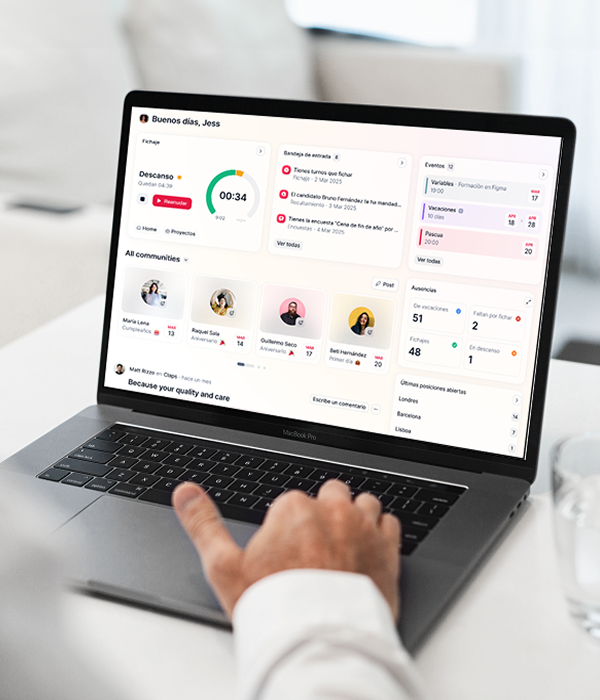
Factorial helps businesses run payroll and HR with one system. This reduces mistakes, saves time, and makes managing employees easier. Payroll works directly with employee records, time tracking, and paid time off, so all information is up to date.
Key ways Factorial helps your business go paperless:
- Automated payroll calculations: Factorial calculates wages, taxes, benefits, and deductions automatically using HR data.
- Custom payroll rules: You can set different rules for pay schedules or employee groups to match your business needs.
- Organized payroll and compensation: Salaries, bonuses, and deductions are clearly tracked to keep calculations accurate.
- Digital payslips and secure storage: Employees get their pay stubs online, and all payroll documents are stored safely.
- Check and correct payroll easily: You can review payroll before it is processed to catch errors.
- Integrated with time and attendance: Payroll updates automatically when employees’ hours or approved time off change.
- Work with your accountant: Payroll details can be shared with bookkeepers in real time, making coordination easier.
- Extra tools: Factorial also handles extra payments, overtime, and payroll reports, so everything stays organized.
Businesses that consolidate payroll and HR into a single platform like Factorial also benefit from improved data accuracy. Research shows that 94% of business leaders worldwide want their payroll software integrated across all HR systems. Yet many organizations still run payroll through disconnected tools that require manual reconciliation. Factorial eliminates that gap by design, giving HR teams a single source of truth for every payroll calculation.
By keeping payroll and HR together in one platform, Factorial helps businesses work faster, avoid mistakes, and grow without extra complexity. It makes payroll simple, secure, and fully connected to HR.
Switching to a paperless payroll system makes your HR and payroll processes faster, more accurate, and easier to manage. Factorial brings everything together in one platform, helping your business save time, reduce errors, and stay organized.
Ready to see how Factorial can make payroll easier for your company? Book a demo today and see the benefits for yourself.
Paperless Payroll System FAQ
What is the most popular payroll system?
The most popular system depends on business size and needs. For small and mid-sized businesses, an integrated solution is often preferred. Factorial, an all-in-one business management software, combines payroll with HR functions, making it a top choice for companies looking to simplify operations and reduce errors.
Is there a payroll software without a monthly fee?
While some basic tools may exist, professional payroll software that handles tax compliance, reporting, and secure data storage typically requires a subscription. These fees ensure the system stays up-to-date with regulations and provides the support necessary for accurate payroll processing.
Disclaimer:
The information presented on this page is based on publicly available sources. The comparisons between Factorial and other providers are intended solely for the illustration of the respective software features, pricing and functionalities. All information regarding features, prices, and integrations may be subject to change without prior notice. Factorial assumes no liability for the accuracy, completeness, or timeliness of the information presented. We recommend contacting the respective providers directly to obtain the most accurate and up-to-date information. All legal regulations regarding Spanish fair advertising and competition law are fully observed by us; if you have any concerns, please reach out to us. The comparisons presented do not constitute a final evaluation or recommendation for any provider, but serve solely as an informational source.