Employee experience shapes how people feel about work from their first interview to their last day. It includes all of the everyday moments that can make a job feel both rewarding and frustrating, or somewhere in between.
For employers, it is important to understand what employee experience is and what factors influence how employees feel at the workplace. When your team feels supported, they are more likely to do good work, speak up with ideas that help reach your business goals, and stay at your company longer. Free snacks at the office or one-time bonuses are not enough to build a positive employee experience. It is about building a workplace where people have the all of the tools, support, and trust they need to do their jobs well.
In this article, we will take a closer look at the employee experience and what it takes to develop a good experience for employees at your company.
What Is the Employee Experience?
Employee experience, often called EX, is how an employee feels about every part of working for a company. It covers the full employee journey, including hiring, onboarding, day-to-day work, learning and development, career growth, performance reviews, pay, time off, and even leaving the company.
You can think of employee experience as a road trip. The people in the car, the road, and the car itself all affect how the trip feels. At work, different factors come together to shape employee experience.
Three main elements make up employee experience:
- Culture: How people treat each other, how leaders act, and whether employees feel respected and included
- Technology: The software, tools, and systems employees use to get work done
- Work environment: The office, remote setup, work schedule, and conditions employees deal with every day
For example, an employee may love their team but feel worn down by too much administrative work or a manager who never gives constructive feedback. On the other hand, someone may have a smooth experience when they know what is expected of them in their position, can find what they need to do their job easily, and feel heard or know who to turn to when problems come up.
Employee experience is a broader concept than employee engagement. Engagement focuses on how connected and committed someone feels toward their work. Employee experience covers the full set of things that shape those feelings.
Why Is the Employee Experience Important?
The workplace is in a constant state of change and employers cannot compete on salary alone. Employees need more than a paycheck and basic benefits to be happy in their position. Among others, they want clear communication from their colleagues, especially management. They want fair treatment and their accomplishments to be recognized. As well as room to grow, flexible work when possible, and tools that do not slow them down.
A positive employee experience helps people feel that their time and effort matter. When employees feel valued, they are more likely to show up with energy and do their best work. They will stay with the company longer, seeing it as a place where they belong and have a future they can count with.
A poor employee experience on the other hand can have the opposite effect. Employees may feel stressed. They will become “checked out,” or think of “quiet-quitting,” ready to look for another job. That can lead to higher turnover, lower morale, missed deadlines, and more pressure on managers and HR teams.
Benefits of employee experience
When you put effort into developing a positive employee experience, it can support both employees and the business. Key benefits include:
- Higher employee engagement: People are more likely to care about their work when they feel respected and supported.
- Better retention: Employees are less likely to leave when they have fair pay, career growth opportunities, good managers, and a healthy work setting.
- Stronger performance: Clear goals, useful tools, and steady feedback help people get more done.
- Better hiring results: Employees who enjoy their workplace may share positive reviews and recommend the company to others.
- Improved customer service: Employees who feel supported often bring more care and energy to customer interactions.
- Less burnout: Reasonable workloads and flexible time off policies can help people keep work from taking over their lives.
- More trust in leadership: Open communication and follow-through make it easier for employees to believe in company decisions.
For instance, imagine a new hire starts work and receives a clear schedule, working equipment, access to the right systems, and a welcome message from their manager. They are more likely to feel confident than someone who spends their first week chasing logins and trying to figure everything out alone. An onboarding checklist helps get new team members off to a good start.
Challenges of employee experience
Building a good employee experience takes ongoing work. It is not something a company can fix with one survey, event, or policy.
Common challenges include:
- Different employee needs: A remote employee, a frontline worker, and a manager may each face different problems at work.
- Weak communication: Employees may feel left out when leaders share major changes late or do not explain why decisions were made.
- Outdated systems: Manual forms and disorganized files can make simple tasks take longer than they should.
- Inconsistent management: One team may have a supportive manager, while another deals with unclear goals or little feedback.
- No follow-through after feedback: Employees may stop sharing feedback if they do not see the company act on it.
- Limited time and budget: HR teams often need to balance employee needs with business goals and the resources they have.
- Resistance to change: Some leaders or teams may not want to change long-standing work habits.
The goal is not to create a perfect workplace. Instead, companies should listen to employees, spot the biggest pain points, and make steady improvements over time. Listening to your team and making an attempt to follow through on feedback is the most important component of creating a good employee experience. We’ll look at more practical things you can do to improve it in the next section.
How to Improve the Employee Experience
The best way to improve employee experience is to look closely at the employee journey. Find the moments that matter most, listen to what employees say, and fix the issues that get in the way of good work.
Below are a few practical ways to get started.
Start with clear and fair hiring
The employee experience begins before a person joins the company. Job candidates should know what the role involves, how the hiring process works, and when they can expect to hear back.
To make hiring better:
- Write job descriptions that clearly explain the role and key expectations.
- Keep interview steps clear and organized.
- Let candidates know who they will meet and what each interview will cover.
- Follow up, even when a candidate does not get the role.
- Avoid asking candidates to complete long tasks without a clear reason.
Always keep in mind that a fair and respectful hiring process sets the tone for the working relationship.
Make onboarding easy to follow
Onboarding helps integrate new employees into your company and shows them the ropes. It should give them the information and relationships they need to feel ready for work.
The onboarding process through an employee experience framework can include:
- A welcome plan for the first day, week, and month
- Equipment and account access set up before the start date
- A clear overview of company policies and benefits
- Introductions to teammates and key contacts
- Training (role-specific) and clear first goals
- Regular 1:1 meetings with the manager
Do not stop onboarding after the first day. New employees often need support for several months as they learn how work gets done.
Give managers the support they need
Managers have a major effect on employee experience. They help employees set priorities, solve problems, grow their skills, and feel connected to the company.
Support managers by helping them:
- Set clear and realistic goals
- Hold regular one-on-one meetings
- Give useful feedback in a timely way
- Recognize good work
- Talk openly about workload and burnout
- Handle concerns fairly
- Guide employees through career development conversations
Employees do not need managers to have all the answers immediately, but they need managers who listen and follow through, and treat them with respect.
Give employees the right tools
Outdated technology can turn easy tasks into a source of frustration every single day. Employees should not need to hunt through emails, spreadsheets, and shared drives to find basic HR information.
Use tools that make simple HR tasks easier, such as:
- Requesting time off
- Viewing pay information
- Updating personal details
- Tracking work hours
- Finding company policies
- Completing onboarding tasks
- Setting goals and reviewing progress
The right HR software can bring these tasks into one place. This saves time for everyone from employees and managers to HR teams.
Build a culture of trust and respect
Your company culture shows up in everyday actions. It is not just a list of company values that look good pasted on the wall, but something you live and breathe every day at work.
You can build trust by:
- Sharing company updates openly
- Explaining the reasons behind major decisions
- Giving employees a safe way to raise concerns
- Treating people fairly across teams and locations
- Recognizing effort and results
- Making inclusion part of daily work
- Holding leaders accountable for their behavior
Employees notice whether leaders’ actions match their words. Trust grows when leaders keep promises, take ownership of mistakes, and make time to discuss issues.
Support growth and career paths
Many employees want to know what comes next. They may not expect a promotion right away, but they want a chance to build their skills and take on new challenges.
You can support growth by offering:
- Training courses and learning resources
- Mentoring and coaching
- Stretch projects that build new skills
- Clear job levels and career paths
- Internal job openings
- Regular career discussions with managers
Career growth does not always mean moving directly into management. Some employees may want to deepen their skills or work on new projects so that they can become experts in their field.
Make flexibility work for everyone
Flexible work can mean different things for different teams. It may include remote work, flexible start times, compressed workweeks, or more control over schedules.
The best approach depends on the role and business needs. Still, companies should aim for policies that are fair and they should communicate them clearly.
Set expectations around availability, meeting times, communication, and performance. Focus on results instead of simply tracking how long someone is online.
How Do You Measure Employee Experience?
You cannot improve employee experience if you do not know what employees are going through. Measuring EX helps HR teams and leaders find out what works, what does not, and where to focus first.
Use both numbers and direct employee feedback through 360 degree reviews. Collecting data can show patterns, while actual feedback through conversations helps explain why those patterns exist and how people see them.
Useful ways to measure employee experience include:
- Employee surveys: Ask employees about their manager, workload, tools, pay, benefits, growth, communication, and overall satisfaction.
- Pulse surveys: Send short surveys more often to check how people feel about a specific topic or recent change.
- Employee net promoter score: Ask whether employees would recommend the company as a place to work.
- Stay interviews: Talk to current employees about what keeps them at the company and what might cause them to leave.
- Exit interviews: Ask departing employees about their reasons for leaving and what the company could improve.
- Turnover rate: Track how many employees leave over a set time period.
- Absence and time-off trends: Look for signs that teams may be overwhelmed or burned out.
- Internal mobility: Track how often employees move into new roles or grow within the company.
- Time to productivity: Review how long it takes new hires to feel confident and meet the needs of their role. This is one of the most important onboarding metrics to track.
Do not rely on one score alone. An employee may say they are generally satisfied at work but still struggle. The main culprits are usually poor communication, not enough direction, or too high of a workload.
After collecting feedback, share the results. Let employees know what you heard, what you plan to change, and what may take longer to fix. This follow-through is what turns feedback into an opportunity to build trust.
What Are Employee Experience Best Practices?
Employee experience works best when it becomes part of the way a company runs. It should not sit only with HR.
Follow these employee experience best practices:
- Listen often, not once a year: Use surveys, one-on-ones, team meetings, and informal check-ins to hear what employees need.
- Act on feedback: Pick a few meaningful improvements and communicate progress clearly.
- Keep policies easy to understand: Employees should not need to decode confusing rules about time off, benefits, or performance reviews.
- Make work information easy to find: Put key policies, forms, and updates in a central place.
- Train managers: Give managers the skills to lead fairly, have hard conversations, and support employee growth.
- Recognize good work: Thank employees in ways that feel real and timely, whether through a private note, team shout-out, or reward.
- Review the employee journey: Look at hiring, onboarding, development, promotion, and offboarding to find gaps.
- Use data with care: Look for trends across teams, but protect employee privacy and avoid using data to punish people.
- Include all worker groups: Make sure office workers, remote teams, hourly employees, and frontline workers can all share feedback and access support.
- Keep improving: Employee needs change, so your approach should change too.
Small changes can have a real impact on the employee experience. A clearer performance review process that leads to better manager check-ins or adopting a tool that takes you to fewer steps to complete a routine HR task can make the workday feel much easier.
Develop an Employee Experience Strategy
An employee experience strategy is a clear plan for making work better across the employee lifecycle. It helps a company move from one-off fixes to steady, long-term improvement.
Use these steps to build your strategy.
1. Set a clear goal
Start by deciding what you want to improve. You may want to lower turnover, help new hires settle in faster, improve manager support, or make HR tasks easier.
Connect the goal to a business need. For example, if a company is losing new employees in their first year, it may need to focus on hiring and onboarding.
2. Map the employee journey
List the key moments employees go through, from applying for a job to leaving the company.
Your employee journey map may include:
- Recruiting and interviews
- Job offer and preboarding
- First day and onboarding
- Daily work and team communication
- Performance reviews and feedback
- Learning and career growth
- Pay, benefits, and time off
- Promotions or internal movement
- Offboarding and exit interviews
Then ask what employees need, feel, and experience at each stage. Look for steps that are confusing, bottlenecks, or moments where employees may need more support.
3. Gather employee feedback
Use surveys, interviews, focus groups, and input from managers to learn where problems show up. Ask simple, direct questions.
For example:
- Do you have the tools you need to do your job well?
- Do you understand what is expected of you?
- Do you feel comfortable sharing concerns?
- Do you see a path to grow here?
- What is one thing we could change to make work better?
Make room for open-ended answers. Employees often point out problems that a survey score cannot fully explain.
4. Choose your top priorities
You may find many issues, but trying to fix everything at once can lead nowhere. Pick a small number of high-impact areas.
Focus on issues that:
- Affect many employees
- Get in the way of important work
- Are linked to burnout or low engagement
- Can be improved with the time and the budget available
For example, if employees keep reporting that they do not know where to find HR policies, creating a simple self-service portal may be the first step.
5. Assign owners and set timelines
Each action in your plan needs a clear owner. HR may lead the work of creating a good employee experience, but everyone plays a part, including managers, IT teams, finance, and higher up leadership.
Set realistic deadlines and decide how you will track progress. Keep employees updated so they know the company is taking their feedback seriously.
6. Measure results and adjust
Check whether the changes you make actually improve the employee experience. Compare survey results, turnover trends, onboarding feedback, or other metrics over time.
If something does not work as planned, adjust it. An employee experience strategy should grow with the business and its people.
Improve Employee Experience with Factorial
A better employee experience often starts with making work simpler. When employees can handle everyday HR tasks without back-and-forth emails, paper forms, or confusing systems, they have more time to focus on their jobs.
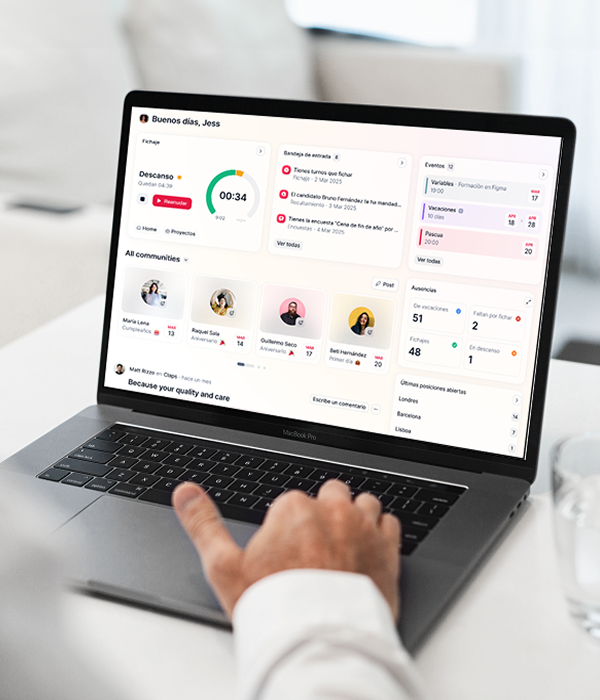
Factorial is an AI platform that connects HR, Finance and IT, helping businesses bring key people processes into one easy-to-use platform. Employees can access their information, request time off, track time, view documents, and stay up to date in one place. Managers can handle approvals, support their teams, and keep key people information organized.