It is important to make sure that new hires feel supported when they enter a new organization. In an especially competitive labor market, the employee onboarding process is key to setting up these hard-won hires for success. What is employee onboarding? It is the structured process of integrating new hires into an organization− covering their role, culture, tools, and colleagues.
Research shows that structured employee onboarding can improve new hire retention by 82% and productivity by over 70%. Yet despite this, research finds that only 12% of employees strongly agree their organization does a great job of onboarding.
Table of Contents
- Key Facts: Employee Onboarding
- What Is Onboarding?
- What Are the US Legal Requirements for Employee Onboarding?
- What Are the Benefits of an Effective Employee Onboarding Process?
- How Do You Set Effective Employee Onboarding Objectives?
- Tracking Employee Onboarding Metrics
- What Are the Key Steps in the Employee Onboarding Process?
- Sample Employee Onboarding Plan
- Adapting Your Employee Onboarding to Be Remote-friendly
- Investing in the Right Digital Onboarding Tools
- Employee Onboarding Best Practices
- What Common Onboarding Mistakes Should US Employers Avoid?
- Optimize the Employee Onboarding Process
- Frequently Asked Questions about Employee Onboarding
Key Facts: Employee Onboarding
- What it is: Employee onboarding is the structured process of integrating new hires into an organization — covering their role, culture, tools, and colleagues — typically spanning from pre-start through the first 90 days or beyond.
- The retention impact: Organizations with structured employee onboarding programs see up to 82% better new hire retention and over 70% higher productivity.
- The cost of poor onboarding: It costs an estimated six to nine months of an employee’s salary to replace a departing new hire, and nearly one-third of all new hires quit within their first six months. The average direct cost per hire in the US stands at approximately $4,700.
- The engagement gap: Gallup research shows that only 12% of US employees strongly agree their organization does a great job of onboarding, meaning 88% of new hires are not receiving the experience they need to thrive.
What can you do to make sure that your onboarding process is providing everything new hires need? In this article we will cover the key benefits of a good onboarding process, important steps, and best practices. Download our onboarding checklist below to make sure that you don’t miss a step.
By improving onboarding in your organization, you can boost productivity, reduce costs, and help retain employees. Let’s get started!

What Is Onboarding?
The process of onboarding is how an organization gets new hires up to speed. During the onboarding process, employees learn more about the scope of their role, their colleagues, and the values of the larger organization. Through the process of onboarding, incoming employees have the opportunity to get access to and training for the tools they’ll need to be using. They’ll also be able to ask important questions and acclimate to the company climate.
Why is onboarding so important? According to Gallup research, nearly 90% of employees decide whether to stay or leave a company within their first six months. With SHRM estimating that replacing a departing new hire costs six to nine months of their salary, US organizations cannot afford to lose hard-won talent to inadequate employee onboarding processes, according to Gallup. For this reason, organizations need to invest in making the employee onboarding experience a good one.
Poor onboarding processes leave employees feeling unsupported. They will not have the resources they need to reach their goals, which can be very demotivating.
According to SHRM, onboarding should be a strategic process that lasts at least one year− not just the first week or month. Research shows that nearly one-third of all new hires quit within their first six months, making the extended onboarding window critical for retention.
What onboarding is not: Onboarding vs. orientation
It is important to note that there are key differences between onboarding and orientation. For most organizations, the orientation is a one-time event. It is typically only a couple of hours, or at most a full workday, and it is generally broad enough to apply to many employees from various teams.
Meanwhile, the employee onboarding process will take several days or even weeks. During the onboarding process, employees will receive information that is much more specific to their team and their role. Employee orientation is just a small part of the onboarding process!
What Are the US Legal Requirements for Employee Onboarding?
In the United States, employee onboarding is a legally regulated process with firm federal deadlines and significant penalties for non-compliance. US employers must complete several mandatory steps before or on a new hire’s first day:
- Form I-9 (Employment Eligibility Verification): Under the Immigration Reform and Control Act of 1986, all US employers must complete Form I-9 for every individual hired for employment in the United States, per the US Citizenship and Immigration Services (USCIS). Employees must complete Section 1 by their first day. Employers must complete Section 2 within three business days. First-offense penalties range from $252 to $2,507 per form.
- Form W-4 (Federal Tax Withholding): The IRS requires all new hires to submit a signed Form W-4 before their first wage payment. Without it, employers must withhold at the highest single-filer rate.
- ACA Notice of Coverage Options: Under the Affordable Care Act, employers must provide a Notice of Coverage Options to all new hires within 14 days of their start date.
- State new hire reporting: All US employers must report new hires to their state workforce agency within 20 days of hire to support child support enforcement under federal law.
- State-specific requirements: Most states require their own tax withholding forms in addition to the federal W-4. Some states also mandate specific notices covering leave entitlements, workers’ compensation, and wage information.
Using a digital HR platform such as Factorial’s onboarding module can help US employers automate I-9 document collection, issue offer letters and contracts electronically, and maintain an auditable compliance record from day one. This reduces the risk of costly penalties.
What Are the Benefits of an Effective Employee Onboarding Process?
Benefits of onboarding for organizations
Some of the most valuable benefits of a well-structured employee onboarding are as follows:
- Talent retention: Organizations are better able to retain highly qualified talent when they start with a great onboarding.
- Increased productivity: Employees who feel included in the company, and are given clear objectives, are more focused and perform better.
- A positive impression: An employee who feels good in a company from day one tends to have a better impression overall of the business.
- Reduced hiring costs: The company will not experience a high turnover rate. Economic investments are reduced.

Benefits of onboarding for employees
- Feeling welcomed: New employees quickly feel comfortable in their role and a part of the company culture.
- Being more informed: Employees are better informed about their tasks and functions within the company.
- Increased motivation: Employees experience greater motivation and investment in the company.
- Increased engagement: New staff experience increased job satisfaction, resulting in higher employee engagement.
The data reinforces these benefits at scale. SHRM research found that employees who experienced a structured onboarding program were 58% more likely to remain with the organization after three years. Meanwhile, Gallup data shows that employees with exceptional onboarding are 2.6 times more likely to be extremely satisfied with their jobs.
Benefits of digital onboarding for remote teams
- Saves time on administrative tasks so you can spend more time focusing on the new employee.
- Minimises the risk of forgetting to send a document, for example, in the case of a worker’s discharge following an accident.
- Facilitates the hiring of remote workers. The integration of remote workers is made easy with digital tools.
- Keeps content up to date. The new employee has access to the latest information, including any changes to onboarding.
- Shares and integrates information with all parties involved. This makes it easy for employees to access their documents (for example, their contract) without needing to reach out to HR directly.
- Ensures information is always available, can be provided in stages, and can be consulted at any moment.

How Do You Set Effective Employee Onboarding Objectives?
As you set up your onboarding process, it is important to set clear objectives so that you know where to devote your energy. Here are some of the key objectives that should be considered throughout the onboarding process:
- To teach the new employee the internal policies of the company (the norms, roles, legal, security, etc.).
- Explain the employee’s role and duties, and which tools they need to perform their duties.
- Opportunity to share the company philosophy and integrate the new worker into the team.
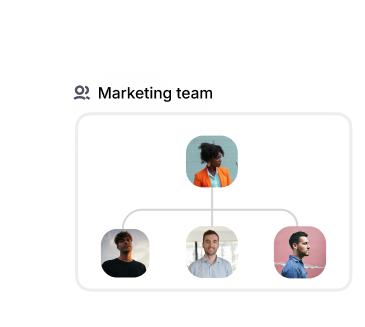
- To explain the placement of the employee in the company’s organizational chart.
With these goals in mind, you’ll be able to create an onboarding strategy that sets new hires up for success.
Tracking Employee Onboarding Metrics
Once you’ve determined the objectives of your onboarding program, you can use key onboarding metrics to track the success of your onboarding. Consider tracking the following onboarding success metrics:
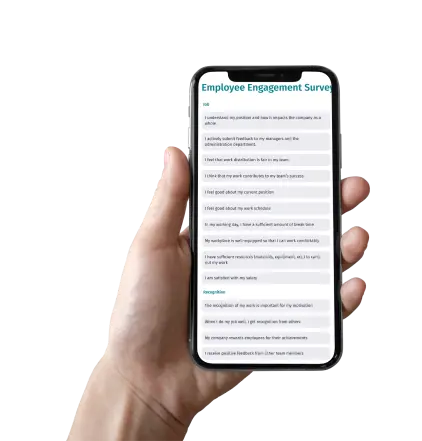
- New employee satisfaction: Send new hires specially tailored satisfaction surveys at the one-month, three-month, and six-month marks to see how new employees are adapting to the team. You’ll be able to gain a lot of insight into the successes and shortcomings of your onboarding process. Make sure to use quantitative evaluation methods so you can crunch the numbers and come up with clear results.
- Time-to-productivity: The goal of any onboarding process is to get employees up and running as soon as possible. Ask new hires (and their managers) to estimate how long it took them to start working independently. Then, get them the tools they need to cut this time down!
- New hire turnover: Research consistently shows that approximately 20% of employees leave within their first 45 days of employment, and one in three new hires leaves within the first 90 days. Make sure to calculate new hire turnover to see if your onboarding process is driving newcomers out the door!
Read 5 Key Metrics to Track Onboarding Success →
Using Factorial to Track Onboarding Metrics
Tracking onboarding metrics manually — across spreadsheets, email threads, and calendar reminders — creates gaps and inconsistencies. Factorial’s onboarding module centralizes new hire satisfaction surveys, time-to-productivity tracking, and 30/60/90-day check-in schedules in one place, giving HR teams a real-time view of how each new hire is progressing and where the process needs improvement.
What Are the Key Steps in the Employee Onboarding Process?
The duration of the employee onboarding process can last anywhere from 45 days to one year, depending on the characteristics of the job and the skills of the new worker. The first few days, weeks, and months are crucial to forming a good working relationship between an employee and the company.
The following steps are essential for new hire integration:
1) Before the New Employee’s Start Date
The process of pre-onboarding or “preboarding” occurs before the new hire’s first day on the job. First, determine which onboarding documents to prepare and collect before the new hire’s arrival. In the US, these must include Form I-9 (Section 1 completed by the employee on or before their first day, Section 2 completed by the employer within three business days), Form W-4 before the first paycheck, and an ACA Notice of Coverage Options within 14 days of the start date, per IRS and USCIS requirements.
Stay in touch with the new hire and answer any questions they have before starting their new role, such as working hours, dress code, or holiday days. Try to help them feel supported and part of the team from the beginning.
Before their start date, the new employee must know:
- Who their bosses and co-workers are
- Where they will perform their duties
- The responsibilities of the job
- The means of work
- The habits of the company and the company culture
2) Plan Out Onboarding Activities
Aside from paperwork, it is always a good idea to plan out the new hire’s first week. You will want to make sure that teammates are aware of the newcomer’s start date and that their workstation is ready to go. You might also want to search for some creative ideas for new employee onboarding activities. For example, icebreaker activities and lunches for them with other team members. This way, newly onboarded employees will feel comfortable immediately.
3) Help New Employees Feel Acquainted from Day 1
On the very first day, it’s vital that new hires receive a warm welcome. Make a point to give employees a tour of the office and introduce them to co-workers and other new employees. If you have a buddy system, like Factorial’s, it is a great way to help employees feel closer and more connected to team members working in other departments. Gallup research confirms that when managers take an active role in onboarding, employees are 3.4 times as likely to feel the process was successful.
The 30-60-90 Day Onboarding Framework
A structured 30-60-90 day plan is one of the most effective tools in any HR onboarding program. It sets clear milestones, aligns the new hire’s work with organizational goals, and gives both the employee and their manager a shared roadmap for the first three months. SHRM recommends using this framework to measure time-to-productivity and identify support needs early.
- Days 1–30: Focus on orientation, compliance, role clarity, and relationship-building. Complete all legal onboarding requirements as part of the new hire integration process.
- Days 31–60: Shift to active contribution. The new hire begins working independently on tasks, with regular manager check-ins.
- Days 61–90: Evaluate performance and adaptation. Conduct a formal 90-day review to assess fit, address any concerns, and set goals for the next quarter.
Enboarder’s 2026 HR Leader Survey found that providing clear role expectations is the single most crucial aspect of onboarding for a new hire’s success — receiving more than double the votes of any other factor. A 30-60-90 day plan directly addresses this need.
The 4 C’s of Employee Onboarding
HR researchers at the SHRM Foundation developed the widely cited 4 C’s framework as a structured model for building effective onboarding programs. The four levels move from basic administrative needs to the deeper social integration that determines long-term retention:
- Compliance: Complete all legally required steps — Form I-9, Form W-4, ACA notice, and state new hire reporting.
- Clarification: Ensure new hires fully understand their role, responsibilities, and performance expectations.
- Culture: Immerse new hires in the organization’s values, norms, and ways of working.
- Connection: Build the interpersonal relationships and networks that make employees feel they belong.
Research shows that when employees strongly agree they understand “how we do things at this organization,” they are 4.7 times more likely to rate their onboarding as exceptional.
4) Check in on New Team Members
After the first week, the onboarding process is not over! It takes time for newly hired employees to feel completely comfortable and confident in their position. Be sure to check in from time to time to make sure that training is going well and that they feel adapted and adjusted. Hosting team-building activities is a great way to make newer employees feel incorporated. It can really make a difference in retention efforts!
Sample Employee Onboarding Plan
There is no cookie-cutter format that every company must follow when designing its plan for onboarding. In fact, the plan you create depends on the type of company, the management, and the team involved. Using an HR onboarding checklist template is especially helpful to make sure that you don’t miss a step when new talent joins your team.
The phases of onboarding begin before a new employee accepts your offer. As for the length of time, it can last anywhere from 1 day, 1 month, 3 months, 6 months, or more. Here is a timeline to help you organise and plan onboarding from start to finish. This also covers the recruitment onboarding stage.
Pre-Onboarding: The Selection Process
- Determine the selection process budget. The cost of recruitment and selection isn’t always cheap.
- When writing the job offer, you need to be clear in the description. Additionally, it’s a good idea to outline what the company philosophy, its values, and overall goals are.
- During the interview, present the company well. Make sure the candidate understands that your company is a good option for them. Explain the role, expectations, and anything else you feel is best to communicate.
- Once the employee has accepted the role, you can begin the pre-onboarding process. This stage involves activities such as gathering the documentation required to have the employee legally start, including any probation period documentation and right to work checks.
Welcoming New Employees
- Provide them a warm welcome (for example, email welcome or social media announcement with attached bio).
- Resolve all questions the employee has brought up.
- Initial training includes a full overview of the employee’s tasks, tools they will use, etc.
- Introduce new members to the rest of their team.
- Provide an employee manual to the new member. This can be a paper copy or sent via email. A video is also a fantastic medium for presenting the bulk of the company’s introductory materials.
During the First Week on the Job
Once the first day is complete, the employer should always follow up with the employee. The first week serves as a great time to get feedback from the employee on how they are feeling in their role, and more importantly, in their environment.
Here are some additional things you can do as an HR manager to help the new employee along.
- Assign a mentor: One of the best ways to help your new employees transition into the workplace is by assigning them a mentor. This mentor can guide them as they learn their tasks so that eventually, they can perform them fully on their own.
- Schedule periodic meetings: Make time to meet with your new employee every 15 to 20 days. This is a great time to check in with your employees and determine whether they require anything to help them out. Following the initial 90 days, a review should be set up to evaluate the performance and adjustment of the employee, to their environment, other team members, and their role as a whole.
After the First Month
Following the first month, remember to regularly meet with the new employee and follow up with them to find out whether they are satisfied in their new role.
- Encourage participation in company activities to continue integrating the employee. Employees who feel more involved in the company are often more motivated.
Adapting Your Employee Onboarding to Be Remote-friendly
With the rise of hybrid and remote work, more and more organizations are onboarding employees who will never even step foot into a physical office space.
The remote onboarding process can involve some additional steps, such as sending gear to remote workers and ensuring compliance with the laws.
It also means that building a self-led digital onboarding experience becomes even more important. According to the CIPD’s Resourcing and Talent Planning Report, organisations that reviewed their induction and onboarding support for hybrid and remote workers were more likely to report positive impacts on productivity, retention, and engagement compared with those that had not. Consider using integrated HR software so that new hires can access documents, training, and checklists autonomously from day one.
Gallup research highlights that remote new hires require intentional connection-building strategies — such as scheduled virtual coffee chats and digital buddy pairings — to compensate for the absence of in-person relationship formation. According to Gallup, nearly one in five employees report that their most recent onboarding was poor or that they received no onboarding at all, a problem that is especially acute for remote workers.
Read Remote Onboarding: A Step-by-Step Guide→
Investing in the Right Digital Onboarding Tools
The main advantage of using digital tools is to accelerate the process. In addition, digital tools improve the overall efficiency of the new employee’s integration process.
These are the distinct types of digital tools every company should know about:
Onboarding Checklists
These are the simplest and most common tools to keep track of your to-dos. A basic way to create an onboarding checklist for onboarding is to use a spreadsheet. However, spreadsheets lack automation, audit trails, and the ability to trigger tasks based on a new hire’s start date. Project management tools allow you to create, assign, and track tasks, though they are not purpose-built for HR compliance workflows such as I-9 tracking or benefits enrollment deadlines. Check out some of the best practices for onboarding below.
Specialised Tools
Specialist onboarding platforms go beyond task management by providing structured workflows, automated document collection, e-signature capabilities, and progress tracking — all in one place. For US employers, the ability to automate I-9 and W-4 document requests and issue contracts electronically is particularly valuable for compliance.
Integrated Tools – HRMS
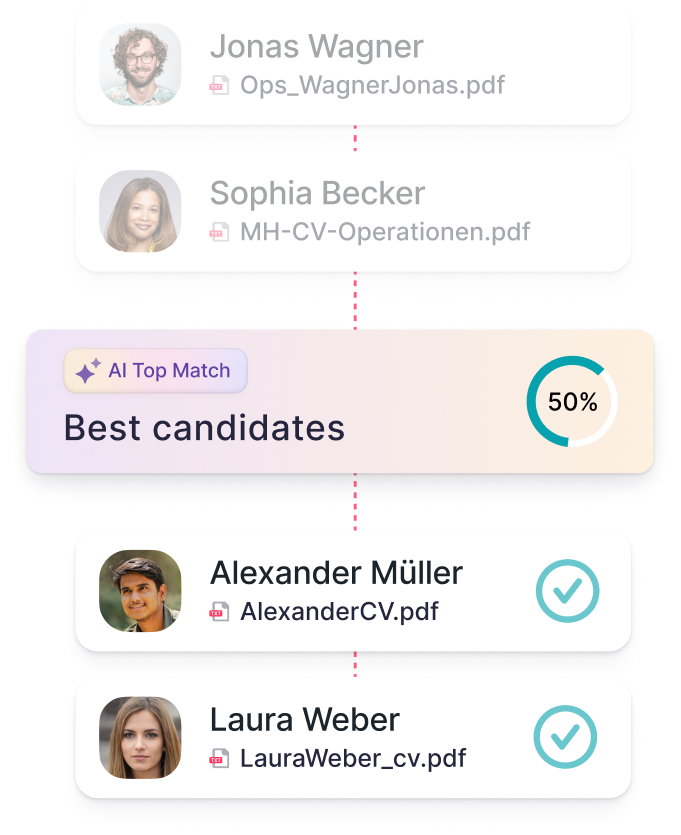
HR onboarding software can improve your digital onboarding process. Systems like Factorial HR integrate many processes− from applicant tracking and electronic document signing to onboarding checklists, I-9 and W-4 document collection, and automated task assignments. For US businesses, Factorial’s onboarding module helps ensure compliance with federal day-one legal requirements while reducing the administrative burden on HR teams.
Electronic Signature
The functionality of an electronic signature allows you to automate the process of signing legal employee documents. Although various programs provide this functionality, an integrated tool, like the one we’ve mentioned under HRMS, gives many more benefits.
Machine Learning Systems
These tools, such as Cornerstone, can cost a substantial amount and require even more time to implement. On the other hand, they provide a great deal of help when training new employees. As always, all-in-one systems with LMS modules can lessen the cost.
Chatbots
AI-powered chatbots allow new hires to ask questions they would otherwise need to direct to a manager− covering topics such as leave entitlements, IT access, and company policies. Around 45% of HR teams in the US already use AI in some aspect of onboarding, and 65% of HR professionals believe AI will improve retention through better onboarding experiences.
Free Multimedia Tools
There are many free applications that exist which allow you to record videos. Improve the onboarding experience by incorporating instructional videos. Share them with your new employees to assist in their learning process. Loom is a widely used tool for creating short instructional videos that can be shared with new hires during onboarding.
Employee Onboarding Best Practices
Employee onboarding is an incredibly valuable time. It is when your employee gets a feel for the company and its culture, but it can also be when a new hire goes back to the job market. A staggering 20% of new hires leave their job within the first 45 days, and research found that for over 20% of HR leaders, half of their new employees leave during the first 90 days.
Data shows that 69% of employees are more likely to stay with a company for three years if they experience great onboarding, and new hires who go through a structured program are 58% more likely to still be with the organization at the three-year mark. The financial case is equally compelling. Replacing a departing new hire costs an estimated six to nine months of their salary.
An exceptional onboarding process that goes the extra mile is the best way to keep top talent around. It will also get them up to speed even faster and help them to integrate and feel at home. If you implement even a few of these onboarding best practices, your company is sure to impress incoming talent.

Personalise your Welcome Kit
Onboarding involves a lot of logistics but it does not have to be dull! Welcome Kits should be more than a pile of boring documents and some pens. Spruce up that employee handbook by hiring a writer to make it more readable or a designer to create fun infographics. Help new hires settle in by including a glossary of company jargon and a who’s who cheat sheet.
The renowned advertising agency Ogilvy gives newbies a chic red-and-black box complete with a manifesto written by Ogilvy himself and a list of his creative habits. A non-generic Welcome Kit is the first step of effective onboarding: it will give your newest employee a peek at company culture and make them eager to learn more.
Give an Onboarding Gift (or Some Nice Swag)
Let new hires know how happy you are to have them with a welcome gift such as flowers, lunch certificates, or a map of cool spots in the area. Some companies give out swag, like branded coffee mugs, water bottles, and sweatshirts. The more this swag is tailored to the company’s goals, the better. OPower, an energy data company, gives employees a bottle of champagne to be saved for when the company helps reduce carbon emissions in the US by 1%.
Swag is more than just “free stuff.” It can be a key part of the onboarding experience, helping new hires to integrate and invest themselves in the company’s goals.
Make it Fun with Onboarding Games
Gamify the onboarding process to engage and motivate new employees from their first day on the job. Make the work environment inviting by awarding and tracking points on a digital or physical leaderboard. As new hires learn new skills and complete tasks, they can “level up.” This might be a particularly useful tactic if your company uses app onboarding. Be sure to offer challenges and bonus points!
Send New Employees on a Scavenger Hunt
Some companies, like Texas-based digital marketing company Bazaarvoice, include scavenger hunts in their onboarding programme. New hires are sent out to find clues hidden all over the office and property while they get the lay of the land.
Additionally, other companies hold virtual scavenger hunts, sending employees looking for answers to policy questions or for contact info on the company’s intranet. This onboarding effort is a fun way to acclimate new hires to tools and technologies they will need to use every day. Bonus: if they get stuck, they’ll have to ask one of their new co-workers for help.
The Best Onboarding Practices Break the Ice
Onboarding best practices include making sure to provide plenty of time for get-to-know-you activities for new hires. It’s important that new employees start building relationships with their co-workers as soon as possible.
Here at Factorial, when someone new joins the team, we have the standard introductions and then afterwards, we play “two truths and a lie.” This gives new hires a chance to share about themselves and joke around with the team to build rapport. Using icebreakers will make sure new employees feel ready to jump in and make waves.
Set Up New Hires with a Buddy
There’s a lot to learn when a new employee joins a company! Make the stressful onboarding experience easier by pairing your new hire up with a buddy, a more-experienced team member who can show them the ropes. A buddy can give a new hire a tour of the office, introduce them to co-workers, and provide a safe place to ask questions that are too embarrassing to ask management.
Harvard Business Review found that for such a simple system, an onboarding buddy programme showed outsized benefits. Providing context, boosting productivity, and improving employee satisfaction, an onboarding buddy is among the best practices for new employee orientation.
Involve Management in the Onboarding Process
To go above and beyond best practices for onboarding new employees, give new hires a chance to connect with senior leaders. Involving senior leaders in onboarding humanises the company for new hires. It also gives them a chance to connect with the mission of the company in a new way.
For example, all new hires at Netflix are welcomed with an orientation with the executive management. Within the first quarter, they meet the CEO. For managers and executives, these meetings can also provide valuable opportunities to learn more about employees and gather feedback about the company.
What Common Onboarding Mistakes Should US Employers Avoid?
Even well-intentioned HR teams make avoidable errors that undermine the employee onboarding experience. These are some of the most common pitfalls:
- Treating onboarding as a one-day event. Gallup research shows that new employees typically take around 12 months to reach peak performance potential, yet 43% of companies complete onboarding in a single day.
- Neglecting the manager’s role. Gallup data shows that when managers take an active role in onboarding, employees are 3.4 times as likely to feel the process was successful.
- Skipping regular check-ins. Without structured touchpoints at 30, 60, and 90 days, new hires may struggle in silence. SHRM recommends scheduling formal check-ins throughout the first year.
- Focusing only on compliance. Paperwork and policy acknowledgments are necessary but insufficient. Gallup finds that only 12% of US employees strongly agree their organization does a great job of onboarding — meaning the vast majority are not receiving the cultural and relational integration they need.
- Ignoring remote and hybrid workers. Remote new hires require intentional connection-building strategies, such as virtual coffee chats and digital buddy pairings, to compensate for the absence of in-person relationship formation.
Optimize the Employee Onboarding Process
With the information presented in this article, you are more than prepared to create the best onboarding plan for your new employees. By embedding these processes into your HR onboarding strategy, there are many benefits for both the organisation and the employee.
Without a clear employee onboarding strategy, incoming employees will not have a clear idea about your organization, their role, or the philosophy of the company they are working with.
Ensure a warm welcome to your new staff member and provide them with the best possible start — using digital tools to automate compliance tasks, personalize the experience, and track progress. The results will be better adaptation and integration, improved staff retention, increased satisfaction, and a positive experience that reflects well on your organisation as an employer.
FAQs
What is employee onboarding?
Employee onboarding is the process of integrating new hires into an organisation. It helps them get up to speed on their role, company values, and team dynamics, providing the tools and information they need to succeed from day one and improve long-term retention.
What are the 5 C’s of employee onboarding?
The 5 C’s of onboarding are Compliance, Clarification, Culture, Connection, and Confidence. These pillars ensure new hires understand legal policies, their role, and company values, while also building relationships with colleagues and feeling capable of succeeding in their new position.
What is the 30-60-90 onboarding rule?
The 30-60-90 day plan is a structured onboarding framework that sets clear milestones for a new hire’s first three months. It focuses on learning and integration in the first 30 days, active contribution in the next 30, and independent performance by day 90.
What are the 4 phases of onboarding?
The four key phases of onboarding are pre-onboarding (before the start date), the first-day welcome, initial role-specific training, and ongoing integration and follow-up. This structured approach ensures a new hire is prepared, feels welcomed, and receives continuous support for long-term success.
What is an onboarding guide?
An onboarding guide is a resource, such as a checklist or manual, that outlines the key steps and information for a new hire’s integration. It ensures a consistent process, helping new employees understand their role, company policies, and culture by providing a clear roadmap for their first weeks.